The Evolution of Live Streaming Technology
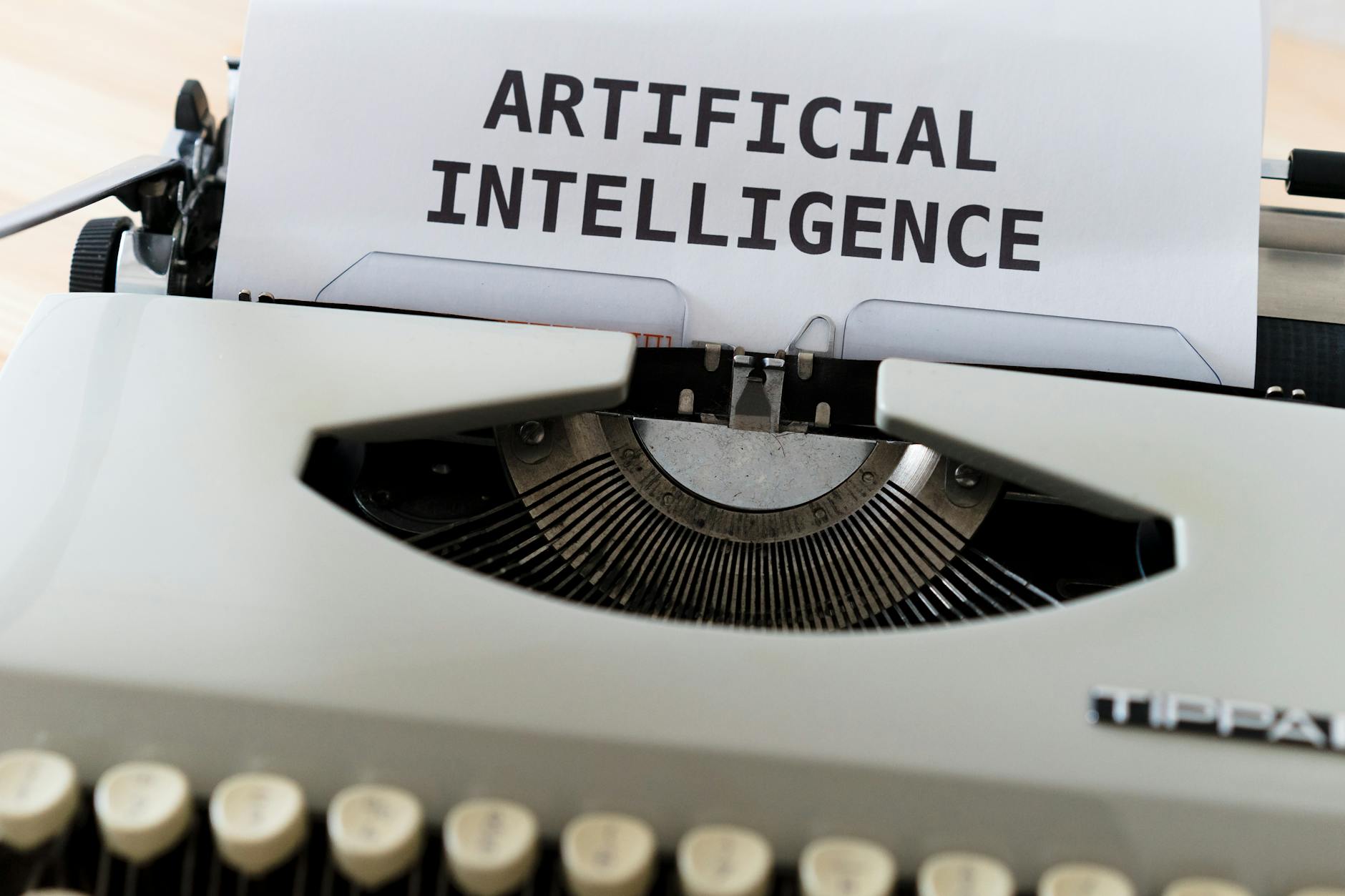
Live streaming has transformed from a niche technology into a cornerstone of modern digital communication. Today's streaming platforms handle millions of concurrent viewers while maintaining high-quality video delivery across diverse devices and network conditions. The integration of artificial intelligence represents the next evolutionary leap, promising to revolutionize how content creators engage with their audiences.
Modern streaming infrastructure relies on sophisticated content delivery networks (CDNs), adaptive bitrate streaming, and real-time encoding protocols. These technologies ensure smooth playback while automatically adjusting video quality based on viewer bandwidth and device capabilities.
AI Integration in Live Production
Intelligent Content Enhancement
Artificial intelligence algorithms can now analyze live video feeds in real-time, automatically adjusting color correction, stabilization, and audio levels. Machine learning models trained on thousands of hours of professional content can identify optimal camera angles, detect scene changes, and even suggest graphics overlays or transitions.
AI-powered noise reduction and audio enhancement algorithms work continuously during broadcasts, eliminating background noise and optimizing voice clarity without manual intervention. These tools are particularly valuable for live productions where technical adjustments must happen instantly.
Automated Production Workflows
Smart automation systems can manage complex multi-camera setups, switching between angles based on speaker detection, audience engagement metrics, or predetermined production rules. Computer vision algorithms identify key moments in presentations, sports events, or performances, automatically triggering graphics, replays, or camera movements.
Professional live production services increasingly incorporate these AI-driven tools to deliver broadcast-quality content while reducing the need for large production teams. The technology enables smaller organizations to achieve professional results previously requiring extensive technical expertise.
Real-Time Analytics and Audience Engagement
Intelligent Viewer Insights
AI algorithms analyze viewer behavior patterns in real-time, identifying when audience attention peaks or drops. This data enables content creators to adjust their presentation style, change camera angles, or introduce interactive elements to maintain engagement levels.
Natural language processing systems monitor live chat feeds, social media mentions, and viewer comments, providing content creators with instant feedback about audience sentiment and popular discussion topics. This information helps streamers adapt their content dynamically during live broadcasts.
Personalized Content Delivery
Machine learning algorithms can customize the viewing experience for individual users, adjusting video quality, recommending related content, or highlighting relevant segments based on viewing history and preferences. These personalization features increase viewer retention and satisfaction.
Technical Implementation Challenges
Latency and Processing Power
Integrating AI into live streaming workflows requires significant computational resources and careful optimization to maintain low latency. Edge computing solutions and specialized AI hardware help process video feeds locally, reducing the delay between capture and delivery to viewers.
Balancing AI processing complexity with real-time performance demands requires sophisticated system architecture and continuous optimization. Professional services must carefully select AI tools that enhance production value without compromising stream reliability.
Quality Assurance and Reliability
AI systems require extensive training and testing to perform reliably in live environments where mistakes cannot be corrected post-production. Backup systems and human oversight remain essential components of professional streaming setups.
Future Implications for Content Creation
The convergence of AI and live streaming technology democratizes high-quality content production, enabling smaller creators to compete with larger organizations. Automated production tools, intelligent analytics, and enhanced viewer engagement features level the playing field for innovative content creators.
As AI capabilities continue advancing, live streaming will become increasingly interactive and immersive. Virtual reality integration, real-time language translation, and AI-generated graphics will transform how audiences experience live content.
Organizations seeking to leverage these technologies benefit from working with experienced professionals who understand both the technical requirements and creative possibilities of AI-enhanced live production. The combination of traditional broadcasting expertise with cutting-edge AI tools creates opportunities for truly exceptional viewer experiences.